Return with ease: direct Dubai — Chisinau flight
Business negotiations, an international conference, a journalistic assignment, a humanitarian mission, or the chance to discover a new country — there are many reasons to visit Moldova. Chisinau is the country’s administrative, economic, and cultural centre, home to international missions, non-governmental organisations, and businesses. For tourists, it offers access to historic landmarks, traditional cuisine, and Moldovan culture, while for those travelling to Ukraine, it can serve as a transfer point for onward ground transport.
If you have a free day in your schedule, use it to discover the Moldovan capital. Behind the façades of historic buildings, in museum halls, at city markets, and in traditional restaurants, you can discover a country with a rich cultural heritage and enduring traditions.
From historic mansions to modern neighbourhoods: discovering Chisinau
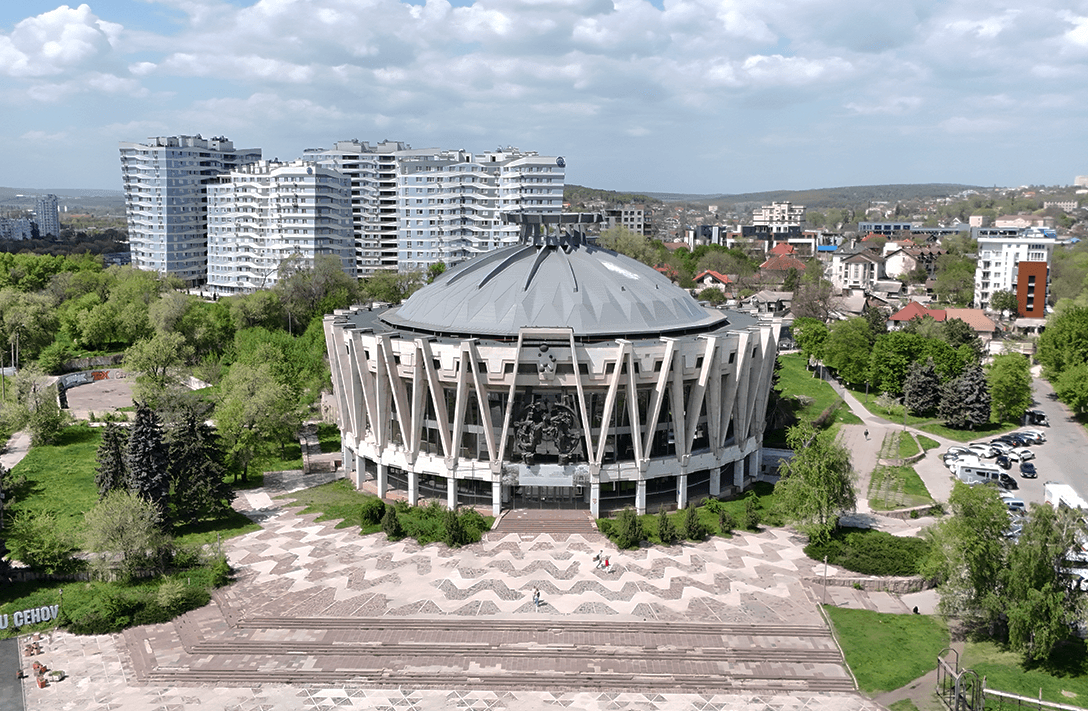
Moldova’s capital attracts visitors with its architecture, green boulevards, and the many stories preserved in its streets. Here, 19th-century houses stand alongside examples of Soviet modernism, small churches are tucked away among residential neighbourhoods, and cosy inner courtyards can be found behind the façades of old mansions. Architectural landmarks, theatres, museums, and cafés are concentrated in the central part of the city, so even an ordinary walk can become an introduction to different chapters of Moldova’s history.
A good place to start is Great National Assembly Square, home to the Nativity Cathedral, its bell tower, and the Triumphal Arch. The latter was built in the 19th century and remains one of Chisinau’s most recognisable symbols today. Nearby stretches Stefan cel Mare Boulevard, the city’s main thoroughfare, named after the Moldovan ruler Stephen the Great. As you walk along it, pay attention to buildings from different periods, decorative façade details, and historic mansions that reveal the architectural development of the capital.
Parks are another important part of city life. Stefan cel Mare Park, established in the 19th century, preserves the atmosphere of historic Chisinau. It is home to the Alley of Classics of Romanian Literature, lined with busts of writers and cultural figures. Valea Morilor Park, meanwhile, invites you to walk along the lake, relax among the trees, and see the Cascading Stairs. Places like these help you experience everyday life in the city beyond the usual tourist routes.
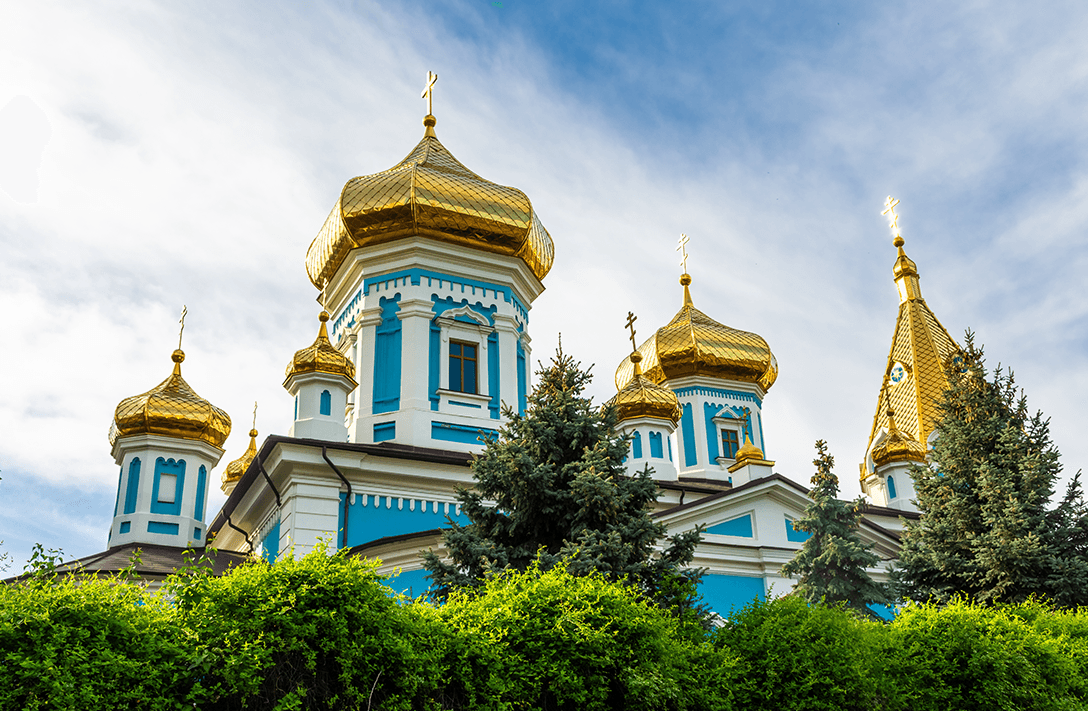
How to spend a day in Chisinau and see the highlights
If you have a full day after arrival, spend it walking around the city, trying local cuisine, and discovering its culture. Start the morning with coffee and fresh pastries at one of the cafés in the city centre. From there, head to Great National Assembly Square, see the Triumphal Arch and the Nativity Cathedral, then walk along the avenues of Stefan cel Mare Park. Here, you can see the monument to the famous Moldovan ruler, relax beneath the trees, and continue exploring the historic centre.
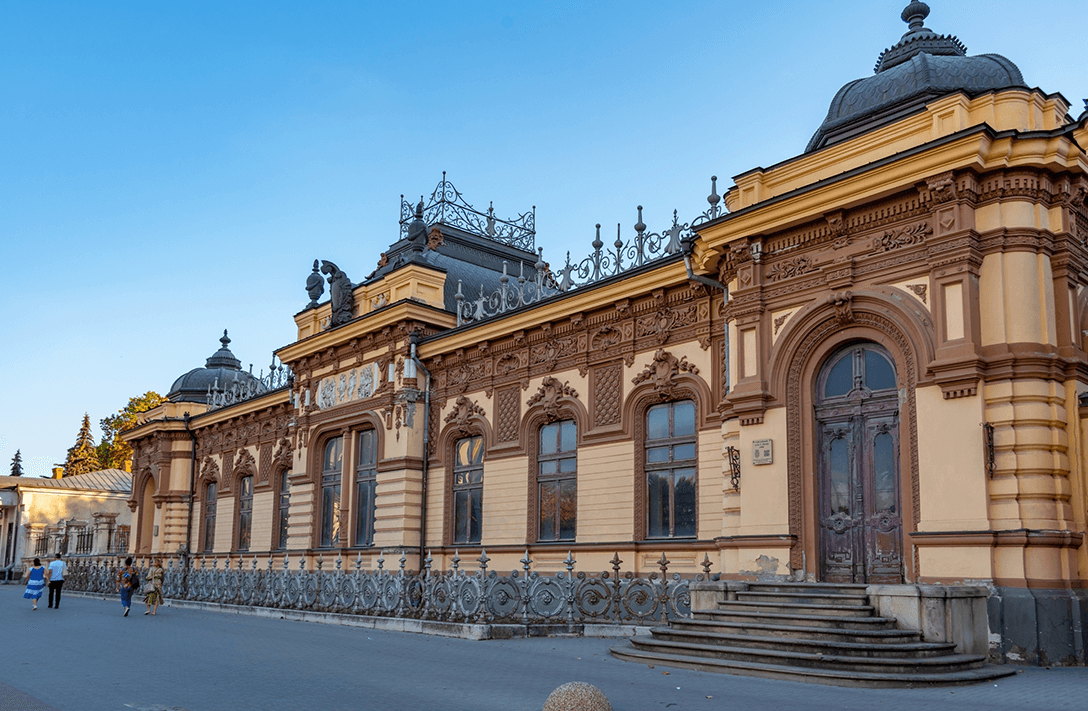
Next, turn onto 31 August 1989 Street, home to the National Museum of History of Moldova and the National Museum of Art of Moldova. The first introduces visitors to archaeological finds, historical documents, and different periods in the country’s development. The second presents works of visual art and is housed in historic buildings. If you enjoy architecture, take a closer look at the façades in the surrounding neighbourhoods: among administrative buildings and modern venues, you will find houses with distinctive stucco, balconies, and decorative details.
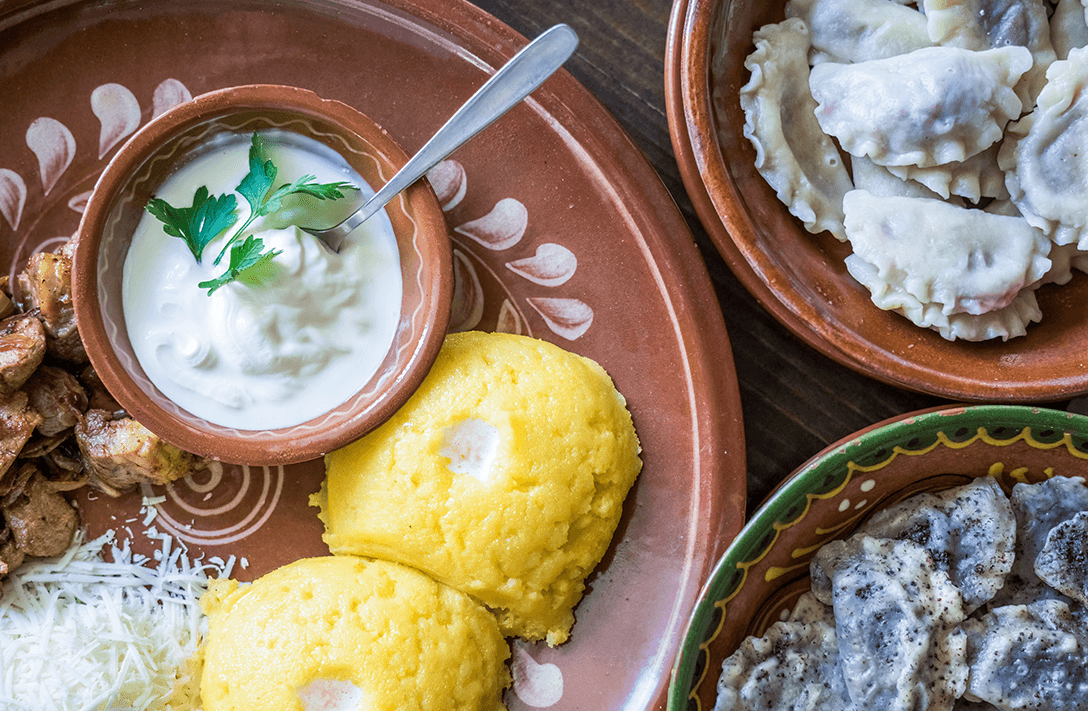
For lunch, visit a restaurant serving Moldovan cuisine. Order hot zeama, placinta with brined cheese, or mamaliga with traditional accompaniments, followed by Cușma lui Guguță for dessert. After lunch, head to Valea Morilor Park, walk by the lake, and see the Cascading Stairs. Spend the evening strolling along Eugen Doga pedestrian street, named after the Moldovan composer. Here, you can finish the day in a café, pick up a small souvenir, or simply enjoy the atmosphere of the city.
Flavours of Moldova: from hot placinta to unusual desserts
Traditional Moldovan cuisine is filled with the aromas of freshly baked dough, stewed meat, garlic, herbs, and homemade cheeses. Recipes are often passed down through generations, while the dishes themselves are associated with family lunches, celebrations, and hospitality. They are prepared from accessible local ingredients, combining vegetables, cornmeal, meat, dairy products, and seasonal fruit.
Among the traditional dishes, look out for the following:
- Placinta — thin flatbreads with a golden crust and generous filling. They are made with brined cheese, potatoes, cabbage, pumpkin, or apples. Pumpkin placinta is especially aromatic, with its naturally sweet filling paired with tender dough.
- Vertuta — a roll made from thin dough and twisted into a spiral. Beneath its crisp surface are layers of filling made with cheese, herbs, apples, or pumpkin. It is often served warm, while the aroma of freshly baked pastry still fills the kitchen.
- Zeama — a traditional soup with poultry, homemade noodles, vegetables, and herbs. A light tang, fragrant broth, and tender meat create its distinctive combination of flavours.
- Mamaliga — a thick cornmeal dish served with brined cheese, sour cream, cracklings, or meat accompaniments. Its mild corn flavour pairs especially well with salty cheese.
- Sarmale — small stuffed rolls wrapped in vine or cabbage leaves. The filling is usually made with rice, meat, and spices, while vine leaves add a pleasant tang.
- Tochitura — a hearty meat dish stewed with garlic and spices. It is often served with mamaliga, brined cheese, or an egg.
- Ciorba — a rich soup with a distinctive sour note. Depending on the recipe, it may include meat, vegetables, and aromatic herbs.
- Cușma lui Guguță — a dessert made from thin pancake rolls filled with cherries, stacked into a mound, and covered with cream. The tartness of the berries pairs beautifully with the sweet creamy filling.
- Baba neagra — a dark, sweet caramelised cake with a porous texture. Long baking gives it its characteristic colour, rich aroma, and unusual structure.
- Prunes with walnuts — a traditional dessert in which dried plums are stuffed with walnuts and served with cream. It combines the natural sweetness of the fruit, the softness of the filling, and the distinctive flavour of walnuts.
Visiting a local market is a pleasure in itself. Here, you can find seasonal fruit, fragrant honey, nuts, preserves, homemade cheeses, and dried fruit. Fruit sweets, handmade ceramics, or textiles with traditional patterns can also make good gifts. These items tell the story of Moldova through the flavours, crafts, and everyday customs of its people.
Art, music, and hospitality: cultural traditions of Moldova
Discovering Moldovan culture opens a window onto the history of a country shaped by different folk traditions. They have been preserved in music, dance, crafts, national dress, and festive customs. One characteristic musical instrument is the nai, a type of pan flute with a soft, lingering sound. The folk dance known as the hora, performed in a circle with participants holding hands, remains a symbol of unity and an important part of festive culture.
Composer Eugen Doga holds a prominent place in the history of Moldovan music, with his works featured in films, theatre productions, and concert halls. A pedestrian street in the centre of the capital is named after him. Art lovers should also visit the Maria Bieșu National Opera and Ballet Theatre and the National Museum of Ethnography and Natural History, where you can see traditional costumes, household objects, and exhibitions dedicated to the country’s natural heritage.
Hospitality in Moldova is closely connected with the tradition of sharing a meal. In family culture, guests are traditionally welcomed with homemade dishes, baked goods, and warm conversation. These customs are also reflected in modern restaurants, where traditional recipes, ceramic tableware, and folk patterns are often used. Details like these offer a way to discover local culture not only on excursions, but also over an ordinary meal.
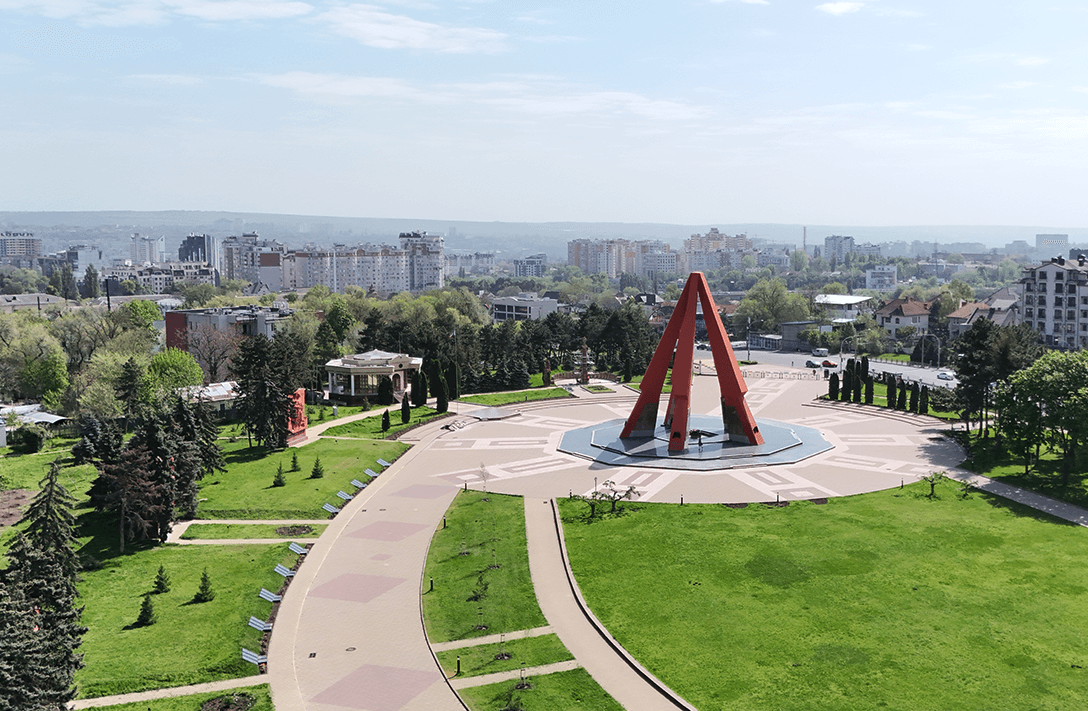
After arrival: transport, payments, and useful details
Chisinau International Airport (RMO) is located approximately 13 kilometres from the city centre. From there, you can reach the capital by public transport, taxi, or a pre-booked transfer. Trolleybus No. 30, for example, runs between the airport and the city, with its route passing along Stefan cel Mare Boulevard. Check the latest timetable before travelling, especially if you are arriving late in the evening or have a connection to another form of transport.
The country’s official currency is the Moldovan leu (MDL). Bank cards are accepted in many restaurants, hotels, and shops, but it is worth carrying some cash for markets, small shops, and certain transport services. Mobile services are available through local operators, while travellers using foreign SIM cards should check their roaming conditions. Also consider the seasonal weather: after the heat of Dubai, a cool autumn evening or winter day in Chisinau may call for warmer clothing.
If you are booking Dubai — Chisinau tickets as part of an onward journey to Ukraine, check the ground transport timetable and departure point in advance. Some buses depart directly from the airport, while others leave from bus stations in the city. This will help you plan your time after arrival, avoid confusion over boarding points, and allow enough time between the different stages of your journey.
How to get from Chisinau to Ukraine
After arriving in Moldova, you can continue your journey to Ukrainian cities by bus, train, car, or organised transfer. The specific route depends on your final destination, arrival time, and available transport. Keep in mind that international buses may depart from different bus stations, while border crossing times can vary depending on the current situation.
You can travel to Odesa by international bus. FlixBus, for example, offers a direct route from Chisinau International Airport to Odesa. Buses arrive at designated stops in the city, including the bus station on Kolontaivska Street and Starosinna Bus Station. Before booking, check the current arrival point, as it depends on the specific service. You can also consider buses departing directly from Chisinau.
Kyiv can be reached by rail. A direct train operates between the Moldovan and Ukrainian capitals, allowing you to travel without changing trains. Check the latest operating dates, departure times, and seat availability through the official Ukrainian Railways services. International bus operators also run services between Chisinau and Kyiv, so you can choose a departure that suits your schedule.
For other Ukrainian cities, it is worth checking bus routes via Vinnytsia, Uman, Zhytomyr, and other destinations, depending on the services offered by transport operators. If your final destination does not have a direct connection with Chisinau, you can plan your route via one of Ukraine’s transport hubs and continue by domestic bus or train. Private transfers with drop-off at an agreed address are also available for families with children, groups, and passengers travelling with a large amount of luggage.
To prepare for the journey, we recommend:
- Check the latest train and bus schedules for your arrival date.
- Confirm the exact boarding point — the airport, bus station, or railway station.
- Allow time for passport control, baggage collection, and the journey to your departure point.
- Leave extra time for crossing the Ukraine–Moldova border, as the duration cannot be guaranteed.
- Save your electronic tickets, stop addresses, and the transport operator’s contact details so that you can access them offline.
If your onward journey is scheduled for the following day, you can stay overnight in Chisinau, take a walk through the city centre, or have dinner at a local restaurant. This way, your journey will include one more interesting stop, while discovering Moldova becomes an enjoyable addition to your main route.
Start your journey today!
A journey from Dubai to Chisinau can be a return to loved ones, the beginning of a business trip, or an opportunity to discover Moldova. Historic streets, parks, museums, traditional cuisine, and interesting cultural experiences await you here. Even a short stop gives you a chance to see the Moldovan capital from a different perspective, while those with more time can stay for a weekend and continue exploring the country.
SkyUp™ offers a direct air connection between Dubai and Chisinau with no connections. Check the available dates on the airline’s website, view Dubai — Chisinau flights, review the fares, and choose a flight that suits your plans. Book your ticket online — and may the journey ahead bring pleasant moments, new experiences, and meetings worth travelling for.